
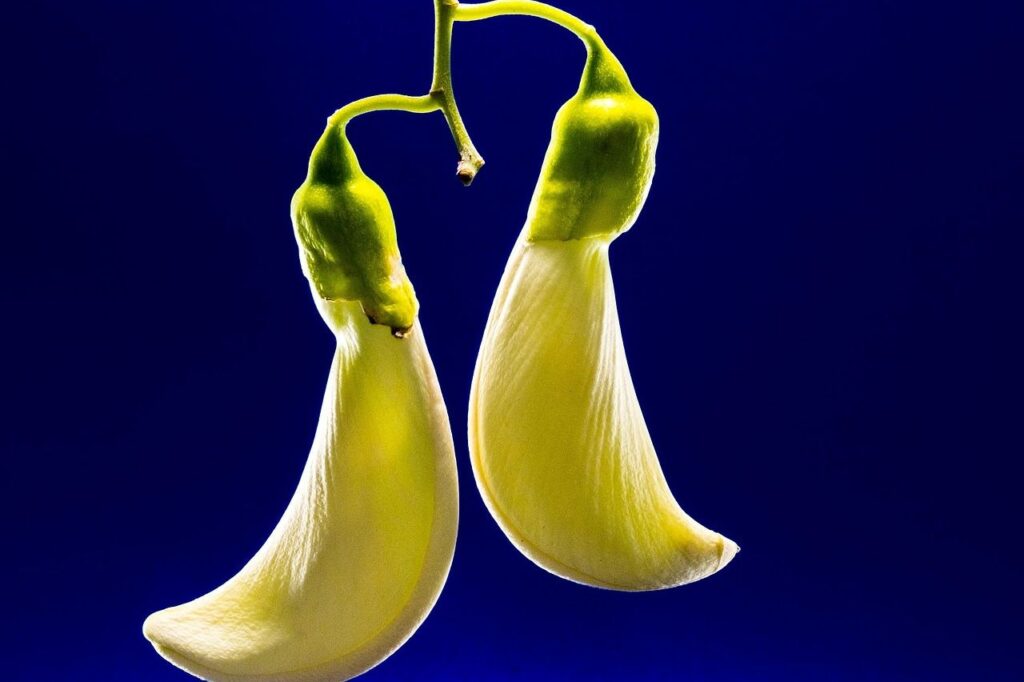
Sesbania grandiflora, commonly known as AGATHI or the Scarlet Wisteria Tree, is a small yet remarkable tree believed to have originated in India or Southeast Asia. It grows in warm, humid tropical climates across the globe.
AGATHI usually grows near rice paddies, along roadsides, and in vegetable gardens.
Botanical Classification
Height: 4–10 meters (13–33 feet)
Flowers: Large, vibrant blooms (up to 10 cm) in red or white
Leaves: Pinnate leaves with 20–50 leaflets
Taxonomy
Kingdom: Plantae
Order: Fabales (Bean family)
Family: Leguminosae
Genus: Sesbania
Species: Sesbania grandiflora
Regional Names:
Tamil: அகத்தி (Agathi)
Malayalam: അഗത്തി (Agatti)
Sanskrit: अगस्त्य (Agastya)
Telugu: అవిసె (Avise)
Other names: Accham, muni, kareeram.
Medicinal Uses of Agathi
மருந்திடுதல் போகுங்காண் வன்கிரந்தி வாய்வாம்
திருந்த அசனம் செரிக்கும்
–
வருந்தச்
சகத்திலெழு பித்தமது சாந்தியாம் நாளும் அகத்தியிலை தின்னு மவர்க்கு.
அகத்தியர் குணபாடம்
1. EDIBLE FLOWERS & LEAVES: Agathi leaves (keerai) and flowers are widely used in South Indian cuisine. The flowers are added to soups, curries, or even fried as snacks. Rich in antioxidants, they help with digestion and reduce inflammation.
2. FEVER & INFECTIONS: Leaf juice is used to bring down fevers; bark decoctions are used to treat smallpox.
3. DIGESTIVE HEALTH: Acts as a diuretic, purgative, and deworming agent.
4. LIVER PROTECTION: Contains hepatoprotective compounds that shield the liver from toxins.
5. JOINT PAIN: Root paste and datura root is used to ease rheumatic pain and swelling.
Active Compounds
Flavonoids, saponins, kaempferol, oleanolic acid.
Home Remedies
- Eating Agathi curry once a week helps cool the body and relieve constipation
- Mixing leaf juice with honey and applying it on the baby’s fontanelle can relieve sinusitis
- Crushed leaves act as a natural poultice for cuts and wounds.
- A few drops of flower juice can help treat eye infections.
- Boil leaf juice with coconut oil and apply to the scalp for headache relief. Lowering ESR (Erythrocyte Sedimentation Rate). Regular consumption of Agathi leaf juice can reduce high ESR levels naturally.
- The plant’s Nitrogen-fixing roots help improve soil quality, especially in rice fields.
Scientific Benefits (Backed by Research)
*Antioxidant & Anti-inflammatory
*Antimicrobial
*Cardioprotective
*Anti-anxiety
Safety & Recommended Dosage
Do not combine with certain medications; may cause interactions.
Side Effects: Overconsumption can lead to bloating or diarrhea.
SUGGESTED DOSAGE:
Leaf Juice: 10–20 ml per day
Decoction: 50–100 ml per day
FAQs
1. Q: Can I eat Agathi flowers?
A: Yes! They’re commonly used in soups and curries across Asian cuisines.
2. Q: Is Agathi good for the liver?
A: Yes, studies show it has hepatoprotective (liver-protecting) properties.
3. Q: How does Agathi help farmers?
A: Its nitrogen-fixing roots naturally boost soil fertility, especially for rice cultivation.
Conclusion
Sesbania grandiflora, or Agathi, is more than just a leafy green—it’s a sustainable, multipurpose wonder. Whether you’re enjoying its nutritious flowers in your meals, tapping into its healing properties, or using it to enhance soil fertility, Agathi shows us that nature truly offers holistic solutions for our health and environment.

Dr. Augastina B.S.M.S., PGDY, is a passionate Siddha Doctor with a heart of gold. She believes in healing one step at a time. In her writing, you’ll find not just knowledge, but genuine care and a holistic approach to health and well-being.