Headaches are a common problem that almost everyone experiences. But did you know that a simple headache could be your body’s signal for something deeper — like dehydration, eye strain, or even stress?
In this article, we explore:
1. Major causes of Headaches
2. Natural and Siddha based home remedies.
3. Insights from modern research
4.Lifestyle changes to prevent headaches.
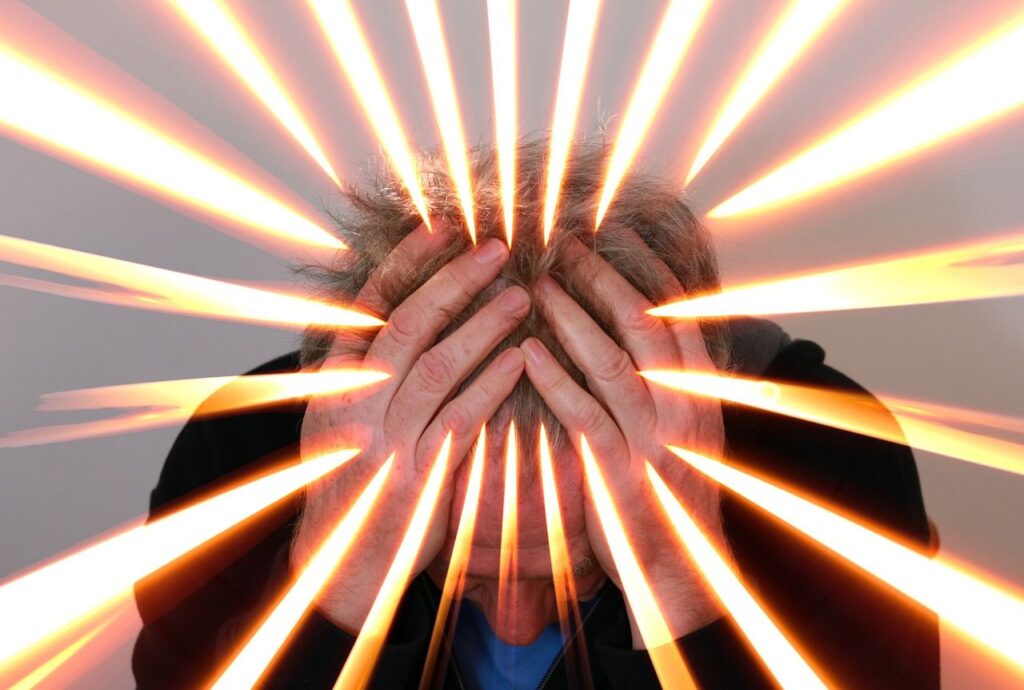
Major Causes of Headache:
1. Eye Strain: Spending long hours in front of computers or mobile phones strains the optic nerves, leading to dry eyes, blurred vision, and eventually headaches.
Solution: Give your eyes a break for 2 minutes every 30 minutes.
2. Sinus Issues: People with sinus problems may experience headaches when bending forward. Standing upright usually cross the pain.
Solution: Inhaling steam can offer great relief.
3. Addiction to Tea/Coffee: Some people believe only tea or coffee can relieve their headaches and become addicted to them.
Solution: Don’t depend on things like caffeine. Try natural ways to stay healthy. If you stop caffeine, you might get headaches for a short time.
4. Poor Eating Habits: Skipping meals or eating irregularly can trigger headaches.
Solution: Eat your meals at the same time every day.
Siddha Remedies for Headache:
1. Steam Inhalation with Nochi Leaves:
Boil Nochi (Vitex negundo) leaves and inhale the steam. This provides quick relief from sinus.
2. Traditional Siddha Medicines:
Herbal formulations like Gauri Chinthamani chenduram, Arumuga chenduram,and Palakarai Parpam sivanaramirtham Trikadugu powder and honey may help.
3. Betel and Karpooravalli Juice:
For headaches caused by sun exposure, apply juice made from betel leaves and Karpooravalli (Indian borage) on the forehead.
4. Constipation-Related Headaches:
Mix one teaspoon of Kadukkai (Haritaki) powder in warm water or milk and drink.
5. One-Sided Headache (Migraine Type)
Boil coconut oil with Kuppaimeni (Acalypha indica) juice and apply it to the scalp.
Also, burn turmeric and pepper in neem oil, and inhale the smoke from the affected side.( How Atimadurachooranam helps migraine headache Read this article
https://adostouch.com/adhimadhuram-churanam-a-traditional-remedy-for-migraine-and-headaches/)
6. Natural Remedies

- Smelling Thumbai (Leucas) root bark brings relief.
- Grind black pepper with lemon juice and apply to the forehead.
- Mix ginger paste in milk and use it externally on the forehead.
Recent Research
- Screen Time and Headaches: A 2023 study in The Journal of Headache and Pain found that 70% of individuals using smartphones or laptops for more than 4 hours daily experienced headaches at least 4 times a month.
- Tip: Use the 20-20-20 rule. Every 20 minutes, look at something 20 feet away for 20 seconds.
- Sleep Deprivation and Headaches: A 2024 neurology study confirmed that lack of sleep is a direct trigger for headaches. 7–8 hours of sleep and maintain a consistent bedtime.
- Muscle Tension and Headaches: A 2023 French study revealed that tension in neck and shoulder muscles is a key factor in “Tension-Type Headaches.” Maintain good posture and proper neck alignment.
- Food-Induced Headaches: A study showed that certain packaged foods like chips, spice mixes, and foods can trigger headaches. Choose natural, chemical-free foods.
- Stress and Migraines: According to the American Migraine Foundation (2024), chronic stress can increase the frequency of migraine attacks. Daily Practice yoga, meditation, or breathing exercises (Pranayama).
- Dehydration and Headaches: A 2023 Dutch study found that people who drank less than 2 liters of water daily were more prone to ‘Dehydration Headaches.’ Drink a small amount of water every 2 hours.

When to Consult a Doctor:
- If the headache lasts more than 3 days
- If it recurs frequently
- If it is unusually severe
- These could be signs of an underlying health issue and should be checked by a medical professional.
Lifestyle Habits to Prevent Headaches:
- Eat a balanced diet on time
- Exercise daily or go for a walk
- Get 7–8 hours of sleep regularly
- Drink plenty of water
- Maintain a calm and stress-free mind
- Avoid Chocolate, aged cheese, almonds, peanuts, and cashews contain Tyramine, a chemical that may trigger headaches in some people
- Caffeine dependency
- Avoid Skipping meals or eating at irregular times
Conclusion:
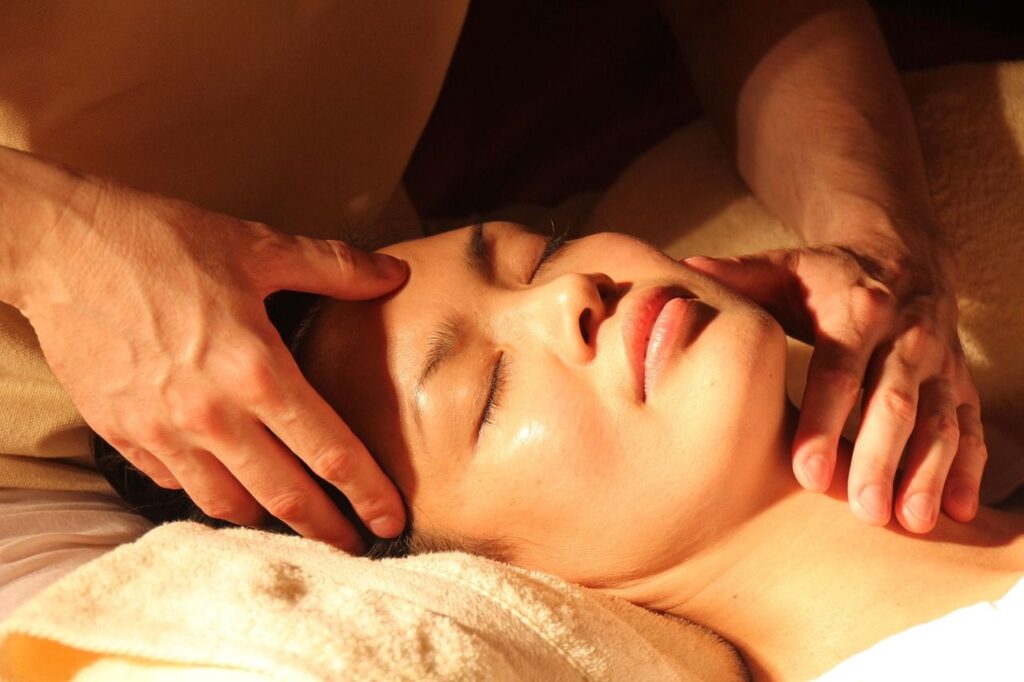
Headaches are not just physical pain. They reflect the condition of our sleep, diet, mental health, daily habits, and technology use. Most headaches can be managed through simple lifestyle changes.

Dr. Augastina B.S.M.S., PGDY, is a passionate Siddha Doctor with a heart of gold. She believes in healing one step at a time. In her writing, you’ll find not just knowledge, but genuine care and a holistic approach to health and well-being.