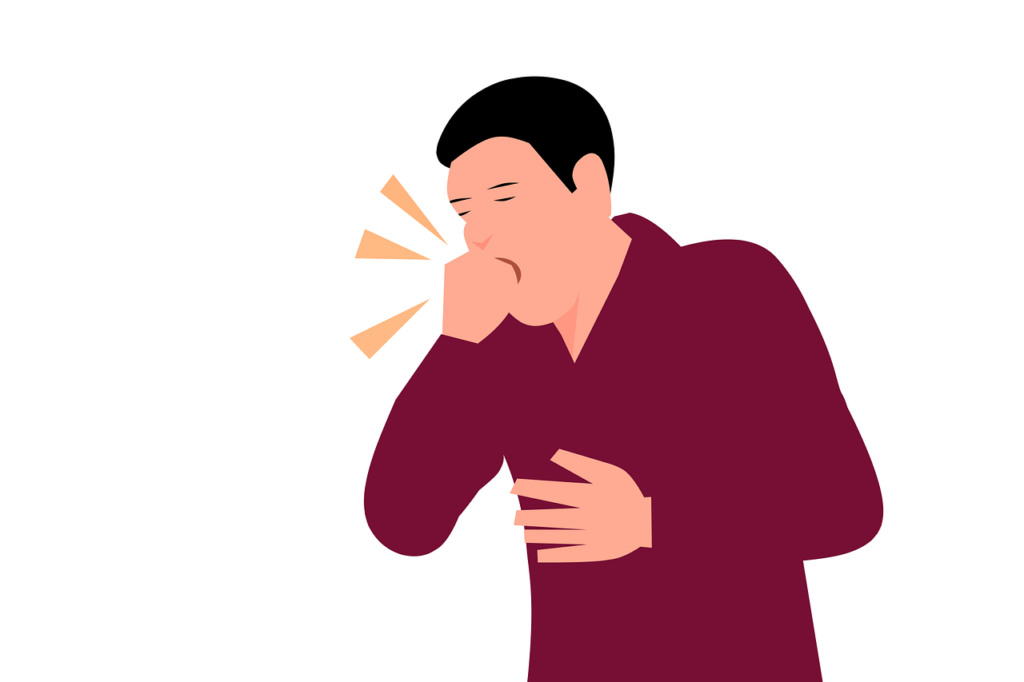
Rhinitis means inflammation (swelling) of the inner lining of the nose.
Rhinitis is very common in children, adults, and elderly people.
Causes Rhinitis
Common causes include:
- Allergies
- Infections (viral or bacterial)
- Hormonal changes
- Environmental factors (dust, smoke, cold air)
Symptoms of Rhinitis
- Runny nose (watery or thick discharge)
- Stuffy or blocked nose
- Sneezing again and again
- Itching in nose, eyes, mouth, or throat
- Postnasal drip (mucus going to the throat)
- Mouth breathing
- Headache
- Poor sleep and tiredness
Types of Rhinitis
1. Allergic Rhinitis
- caused by allergy-producing substances. Dust mites Smokes ,Cold, Pollution
- Symptoms are Sneezing, Watery runny nose, Itchy nose and eyes,
Nasal blockage.- Types
1. Seasonal allergic rhinitis – occurs during certain seasons (pollen time)
2. Perennial allergic rhinitis – occurs throughout the year (dust, mites)
- Types
2. Infectious Rhinitis
Caused by viruses or bacteria.
3.Acute rhinitis (common cold)
Caused mainly by viruses.
Symptoms of
Watery nasal discharge
Nose burning sensation
Sneezing
Mild fever
Body weakness.
4. Chronic infectious rhinitis
Long-lasting symptoms
Thick mucus
Postnasal drip
Facial pain
Sinus involvement.
5. Hormonal Rhinitis
Caused by hormone changes. Seen in Pregnancy Menstrual cycle
Use of oral contraceptive pills.
Featured by Nasal congestion
Usually improves after hormone levels return to normal.
6. Atrophic Rhinitis
A severe form of chronic rhinitis.
Symptoms are
1. Dry nose
2. Green or yellow crusts inside nose
3. Bad smell odour
4. Nasal blockage
5. Nose shape changes in severe cases.
Siddha literature
The Siddha system of medicine, rhinitis is explained mainly under “Peenisam (பீனிசம்)” and “Mooku Noi (மூக்கு நோய்)”.
Siddha medicine believes that diseases occur due to the imbalance of the three humors:
1.Vali (Vatham)
2.Azhal (Pitham)
3.Iyam (Kabham)
Rhinitis is mainly related to Iyam (Kapha) disorder.
Rhinitis develops due to:
- Excess intake of cold foods
- Frequent exposure to cold wind, dust, and damp climate
- Drinking cold water early in the morning
- Improper digestion (weak Agni)
- Daytime sleep
- Suppression of natural urges (like sneezing)
- Seasonal changes (especially rainy and winter seasons).These factors increase Iyam humor, leading to mucus formation.
Siddha Pathology (How Disease Develops)
According to Siddha principles:
1. Increased Iyam accumulates in head and nasal passages
2. Nasal channels become blocked
3. Mucus production increases
4. Flow of air is disturbed
5. Sneezing, runny nose, and nasal blockage appear.
Maybe if untreated:
Mucus becomes thick
Drainage reduces.
Leads to Sinusitis (Mooku Sinus Noi)
Long-standing condition causes Polyps (Mooku Sadhai Valarchi).
Conclusion
Rhinitis may look simple, but long-term untreated rhinitis can lead to sinus problems and nasal polyps.
Early care, identifying the cause, and proper treatment can greatly improve quality of life.

Dr. Augastina B.S.M.S., PGDY, is a passionate Siddha Doctor with a heart of gold. She believes in healing one step at a time. In her writing, you’ll find not just knowledge, but genuine care and a holistic approach to health and well-being.